
The Power Gap: How China Built the Grid America Didn’t
China didn’t just innovate—it built. While the U.S. focused on finance and digital scale, China aligned energy, industry, and workforce to power its rise. The growing electricity gap tells the story of how infrastructure became strategy—and why it now shapes global competition.
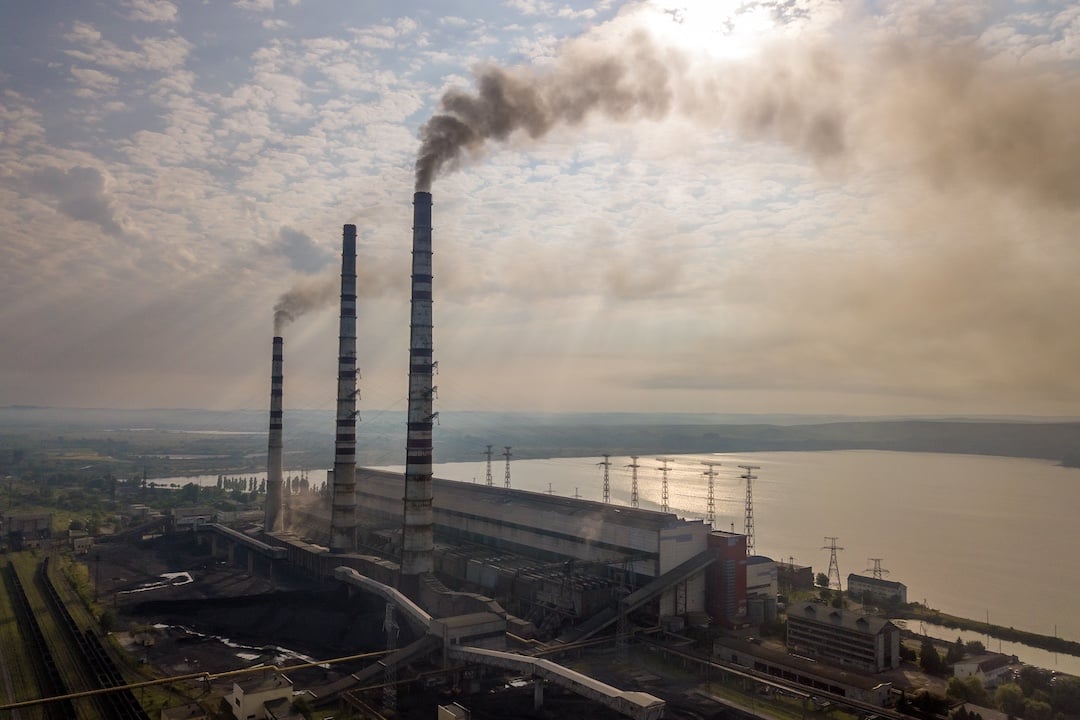
Coal’s Long Goodbye: Why America Isn’t Turning Back
Coal once powered America’s rise—but economics, emissions, and new demand realities are closing the door. Here’s why a coal comeback isn’t in the cards.
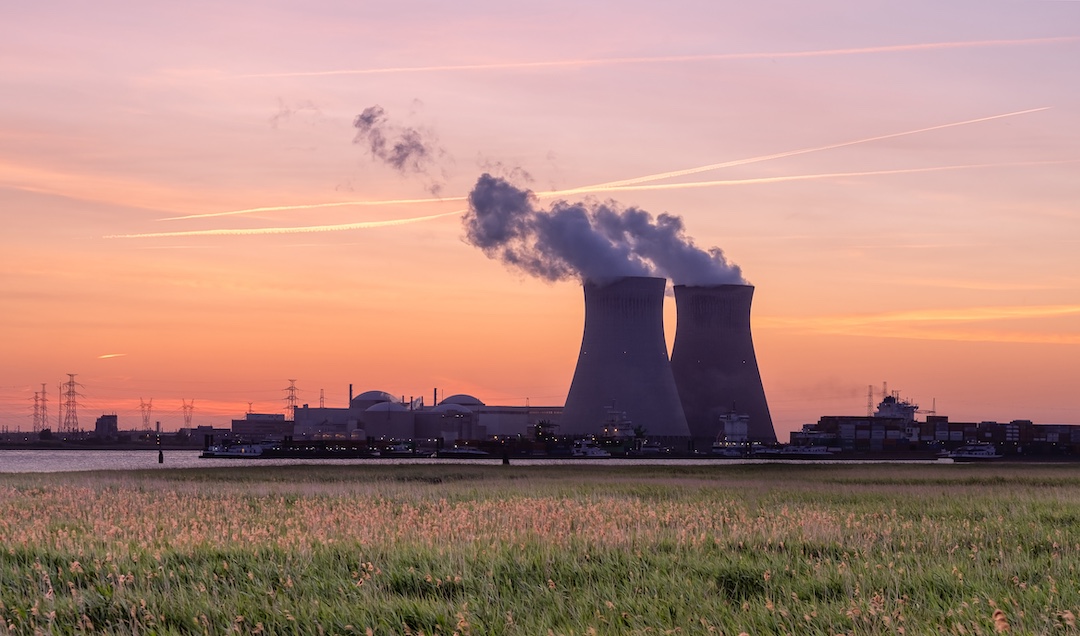
16 Gigawatts Without Reinventing the Wheel
Nuclear power may offer one of the fastest paths to reliable, carbon-free electricity—without reinventing the wheel. By optimizing existing reactors, reopening closed plants, and completing already permitted projects, the U.S. could add up to 16 gigawatts of nuclear capacity within the next decade. This practical approach highlights how much near-term power is available—if policy and permitting can keep pace.
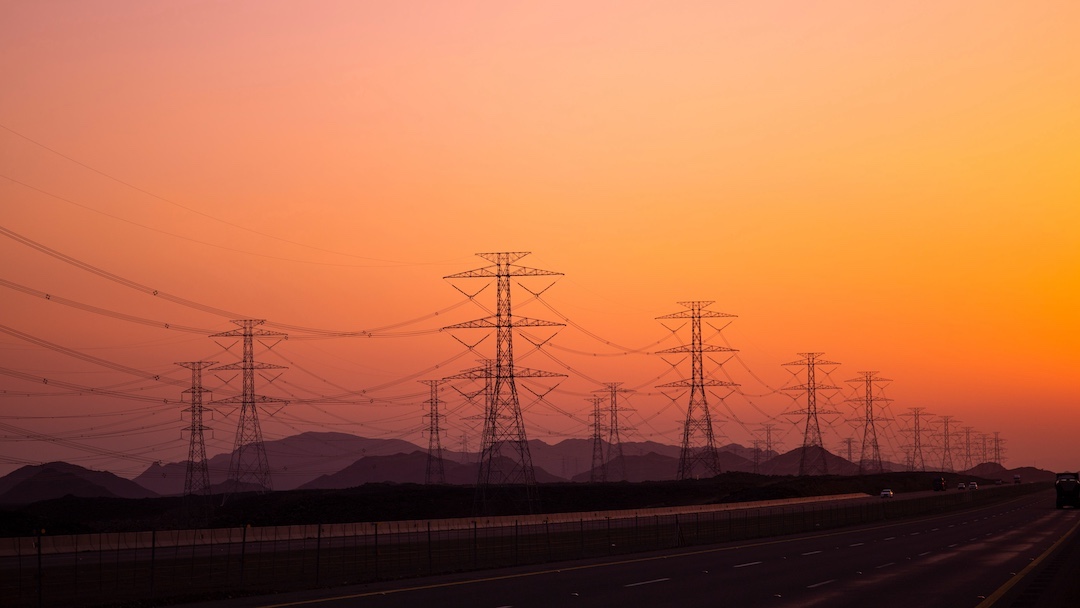
The Grid Is Growing Slower—Just When We Need It Fastest
New transmission line construction has slowed down to a crawl despite the many imperatives to build faster. Much of T&D investment goes to maintenance and upgrades, and national policymakers have been unable to over-ride local permitting authorities to serve national priorities.
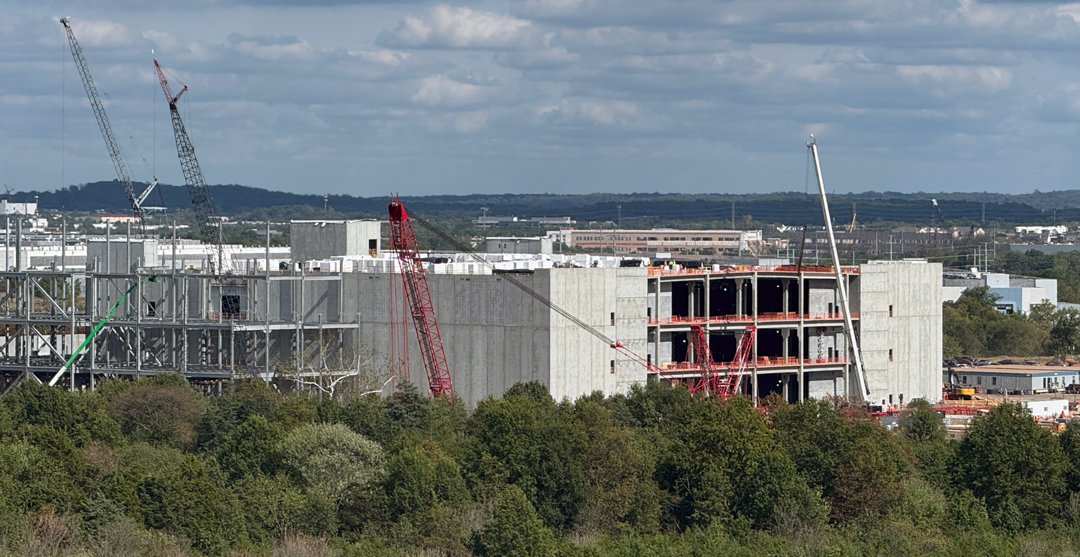
Where the Internet Lives — and Power Disappears: Ashburn’s Data Center Alley
Ashburn, long a sleepy Northern Virginia suburb, now sits in the middle of data center alley, where strangely named streets (Red Rum drive, Uunet drive, Gigabit plaza) lined up by huge data centers only yield to even bigger data center construction projects. The 117 data centers in the Loudoun county pipeline will need an extra 9.4 GW of power by 2029. The whole county only needed 3.4GW of power for all users in 2023. Where will all the new power come from?